exhibition Overview
Samurai Armour: History, Craft & Impact
Curated by Katelin Karbonik
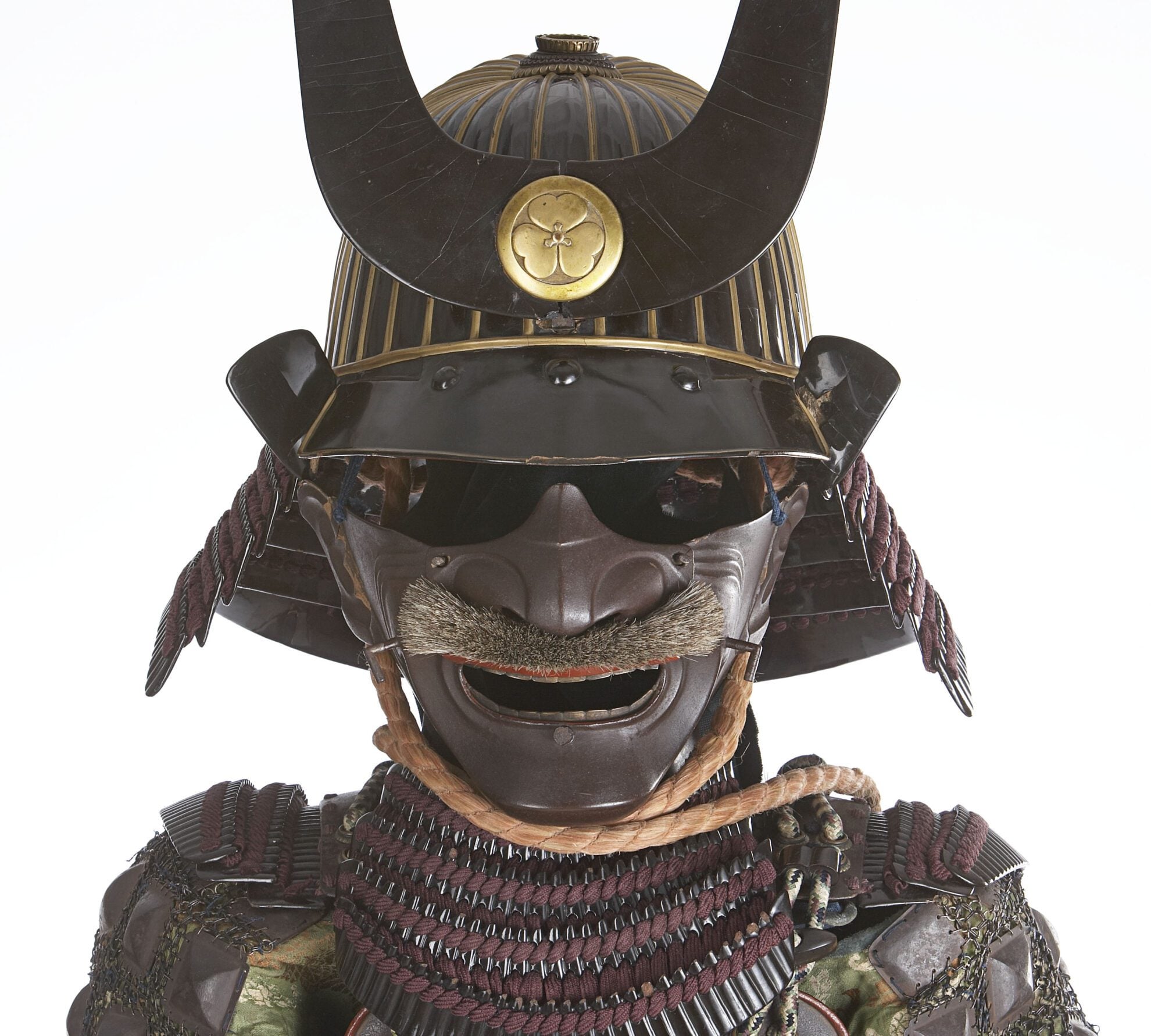
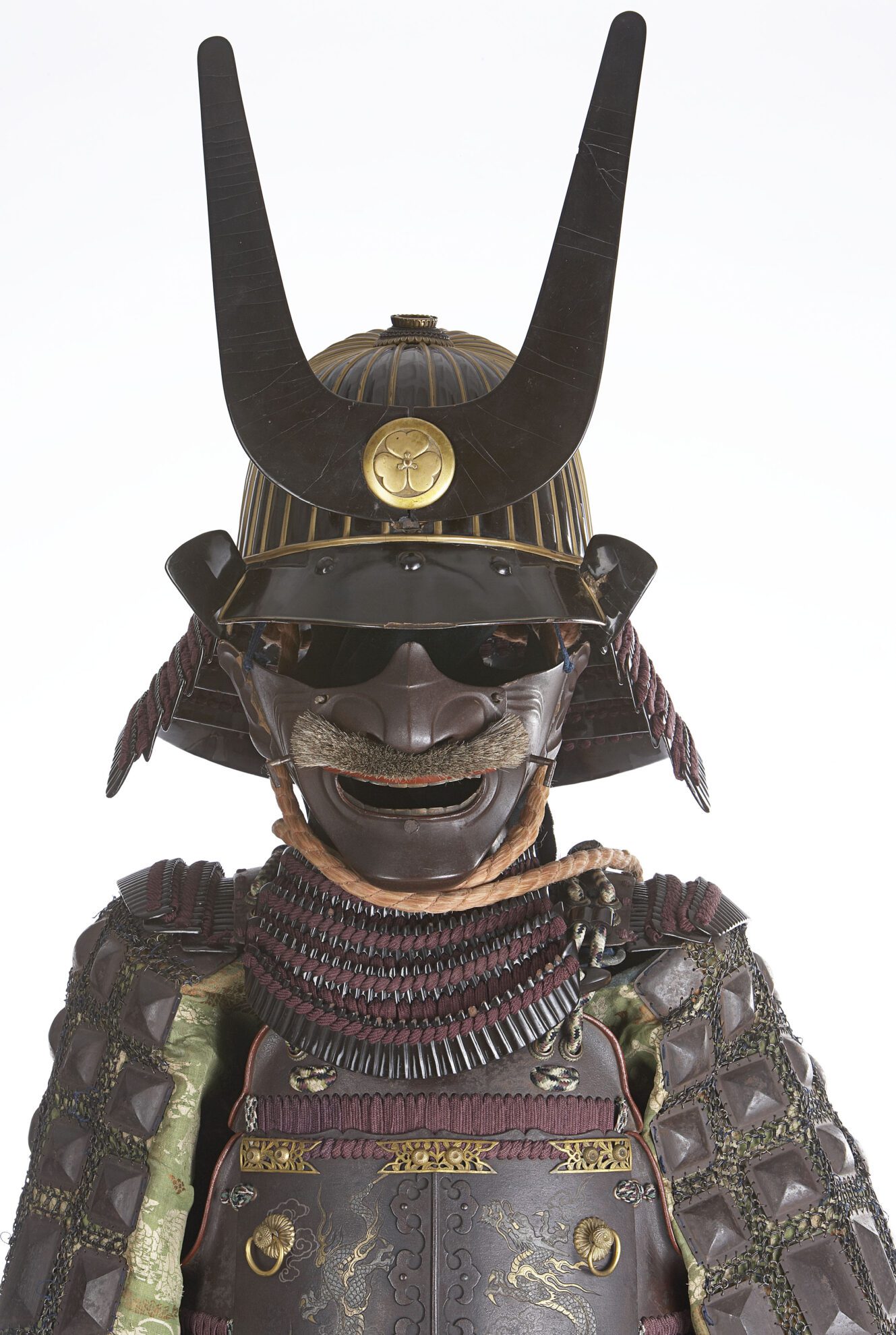
Both protective and beautiful, samurai armour recalls centuries of Japanese history and the lives of those who owned, wore, and created it. Finely detailed, this armour from the Tokugawa era (1603–1868 CE) offers a view of the craftsmanship and ongoing cultural significance of the samurai, while also exploring samurai’s lasting influence on art and design.
The Tokugawa era was a relatively stable and peaceful time in Japan. No longer needed for warfare, samurai increasingly occupied bureaucratic roles in an elaborate court system, helping nobles and the Tokugawa shogunate maintain peace. The armour in this exhibition reflects that important ceremonial purpose and the beauty it made possible.
Highlights
Sneak Peek at Samurai Armour
Samurai were an elite class of hereditary warriors in Japan whose daily realities varied widely. Their armour was made of many individual parts that needed specialized artisans in metalsmithing, weaving, lacquering, and more to create a complete set.
Glenbow holds a remarkable collection of late Tokugawa era (1603-1868 CE) samurai arms and armour, which we are thrilled to display together in this new exhibition.