Additional curricular outcomes, activity dependent: Science, Social Studies
Look Closely
Stop and quietly look at this artwork for at least one full minute.
- What do you notice?
- Use your viewfinder to help focus on any parts of the artwork that make you curious.
Questions
- Why do you think the artist chose these colours?
- Do the colours affect the feel of the artwork?
- Can you find your favourite colour in this artwork?
Learn More
Colours are often made up of other colours, like mixing red and blue to make purple. Some colours you can’t make, like the primary colours; red, blue and yellow. Learning how to mix and use different colours in an artwork can create mood and feeling.
Activity
Materials: water, dish soap, food colouring or paint, small bowls, newspaper or tablecloth to cover the tables, straws (1 per student), cardstock or heavy paper.
- Set-up colour stations with 4 to 6 different colours.
- Mix your bubble colours using equal parts water and soap. Add generous amounts of pigment (especially yellow) to create bright colours.
- Optional: use different shaped bowls for fun results.
- Using a straw, blow bubbles into the coloured bubble mixture until the bubbles form a structure above the rim.
- Lay a sheet of paper or cardstock across the rim of the bowl, then lift the paper off after a second or two. The bubbles popping against the paper creates a pattern.
- Repeat with other colours, rinse the straws between colours. You can let the paper dry between the different colours for a layering effect, or you can print wet on wet.
- Let the paper dry and share with your classmates!
Share!
We would love to see your bubble prints! You can share your experiences with us at Glenbow: schoolprograms@glenbow.org.
Additional Questions and Thought Starters
- How do our eyes interpret colour?
- Why do bubbles pop?
- Do different colours mean different things?
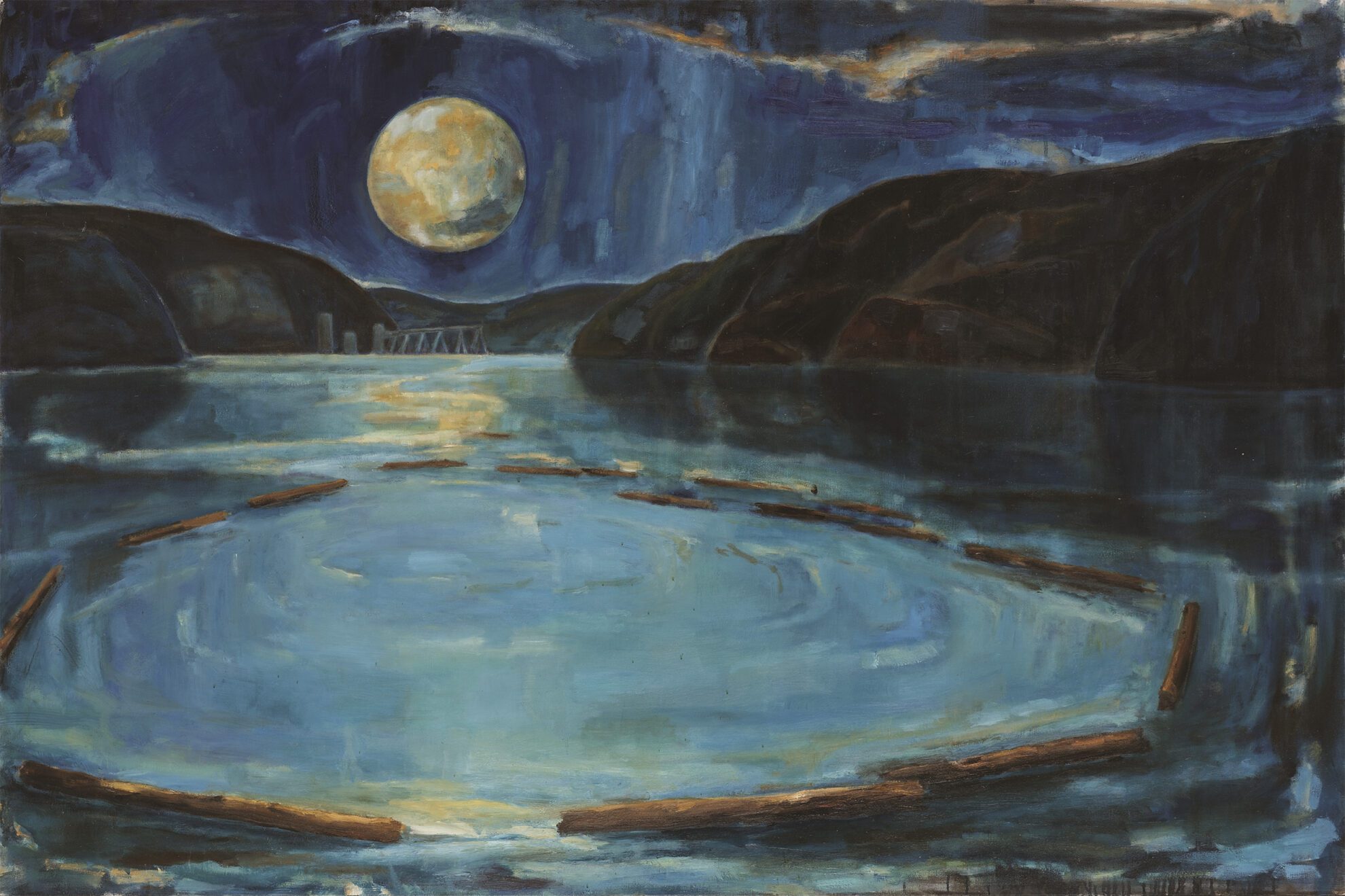
Laura Millard, Circling, 1989, Collection of Glenbow. Gift of Laura Millard, in memory of Colleen Anderson-Millard, 2005.
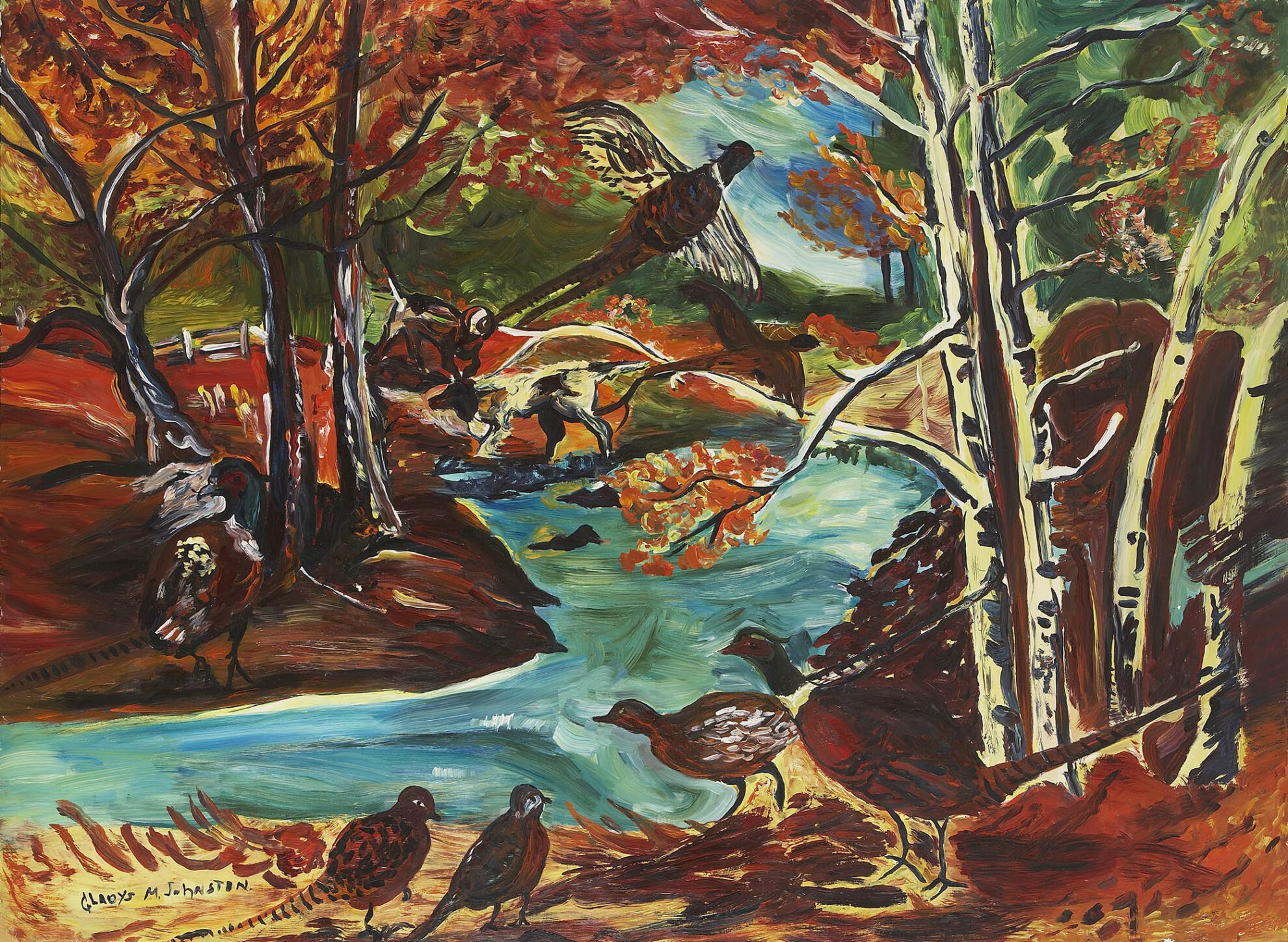
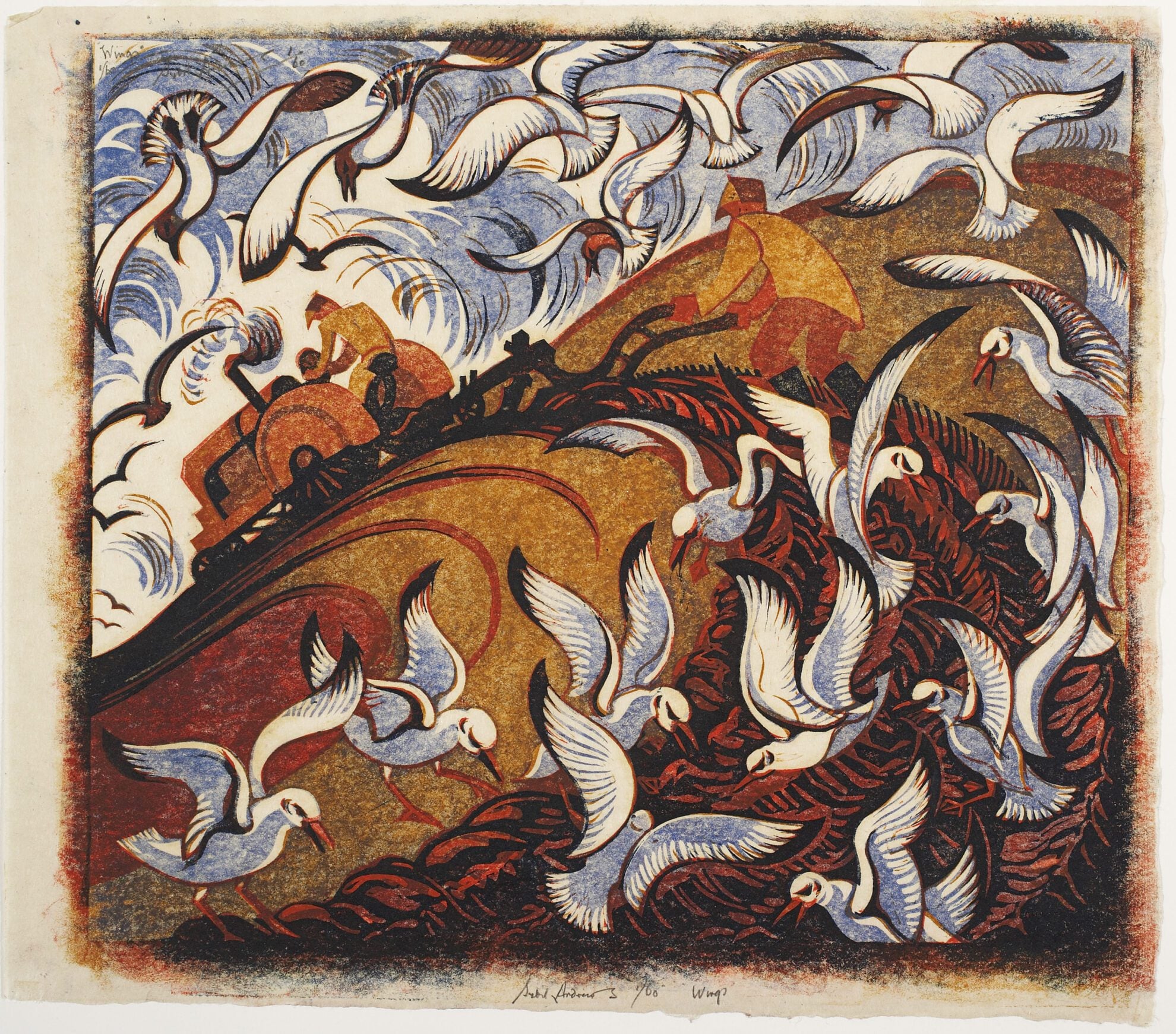
Artworks for this Activity
These artworks are best for this activity. As with all the activities, you can select any of the artworks.