Additional curricular outcomes, artwork dependent: Physical Education
Look Closely
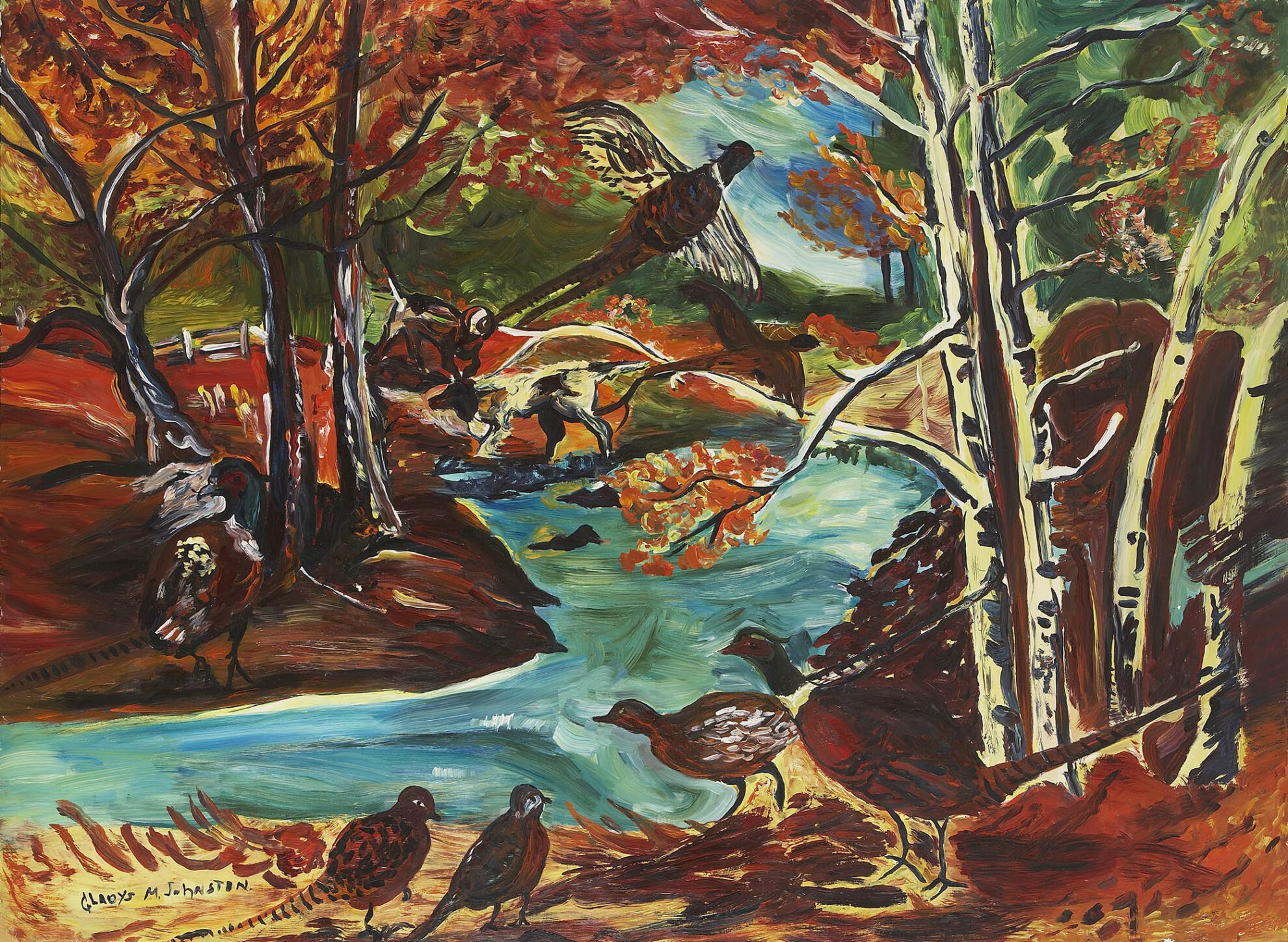
Stop and quietly look at this artwork for at least one full minute.
- What do you notice?
- Use your viewfinder to help focus on any parts that make you curious.
Take a moment to imagine you are inside the artwork.
- What can you hear and smell?
Questions
- What words would you use to describe the subject of this artwork?
- What shapes make up the form?
- What materials did the artist use to create this artwork?
Activity
Materials: paper and pencil
- Use the artwork to start the discussion.
- Make four columns on a piece of paper. In the first column, make a list of the ways that nature could be helpful to people. In the second column, make a list of ways nature could be harmful to people. In the third column, make a list of ways people could be helpful to nature. In the fourth column, make a list of ways people could be harmful to nature.
- Reflect on which column resonates with you most.
- Find a friend or classmate who has a different view (e.g., if you had more items in the first column, find someone who had more in the second, third, or fourth column).
- Share your perspectives with each other.
Share!
We would like to hear about the results of your discussions. You can email us at Glenbow: schoolprograms@glenbow.org.
Additional Questions and Thought Starters
- What messages can be found in this artwork?
- What natural resources can be seen in this artwork?
- What are some benefits and challenges of agricultural resource management?
- How is a person’s way of life in a rural community different than in an urban community?
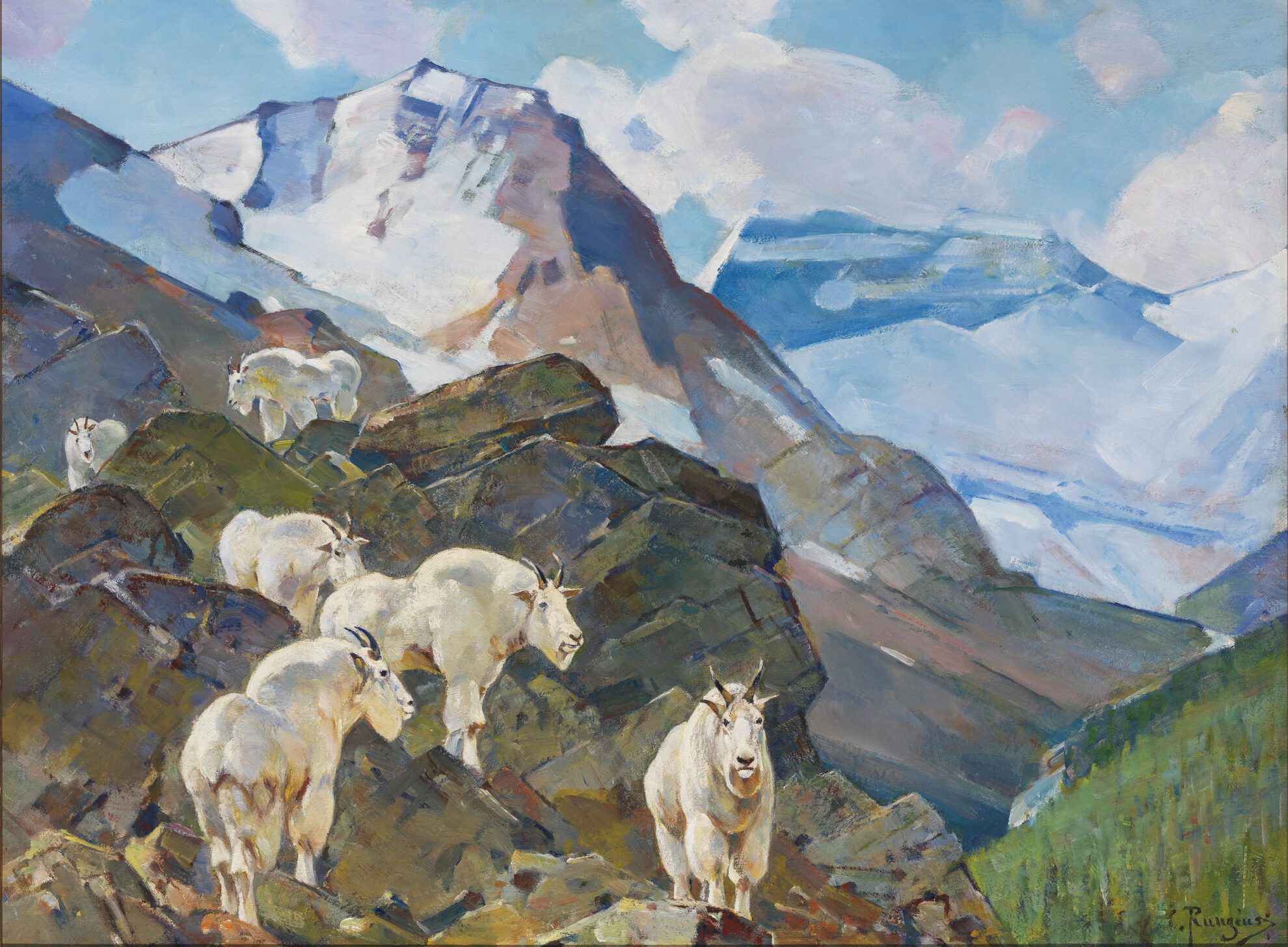
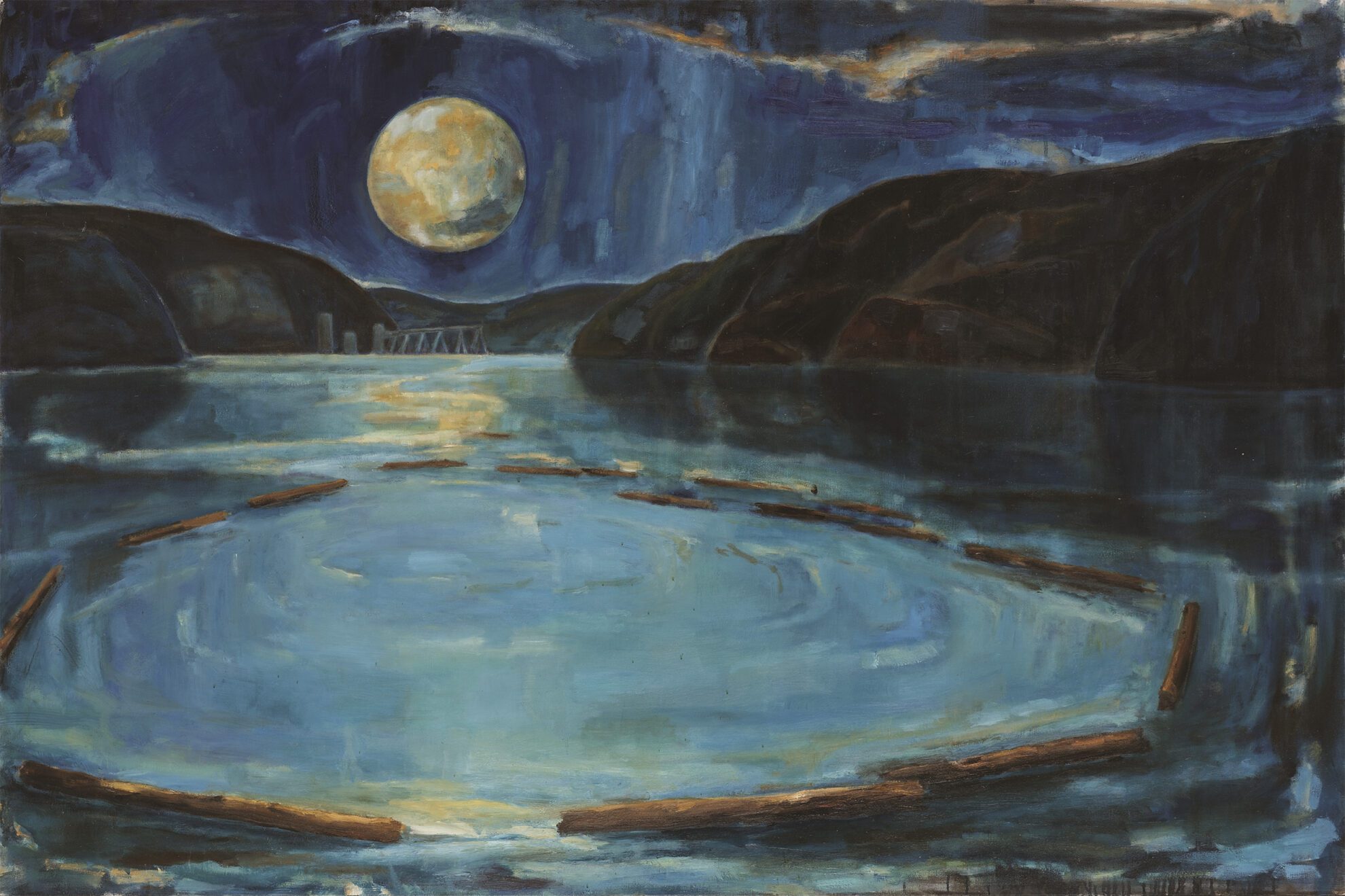
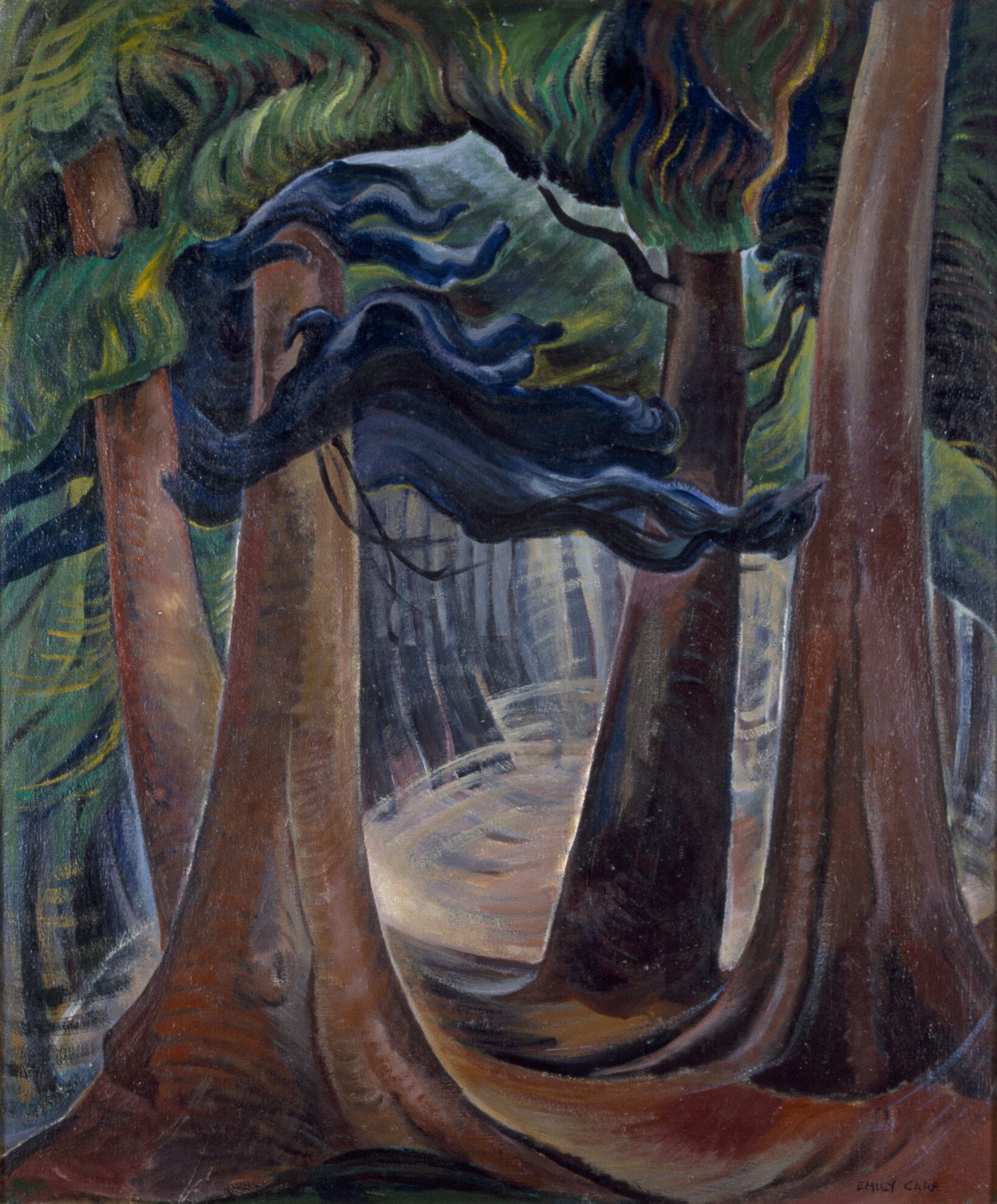
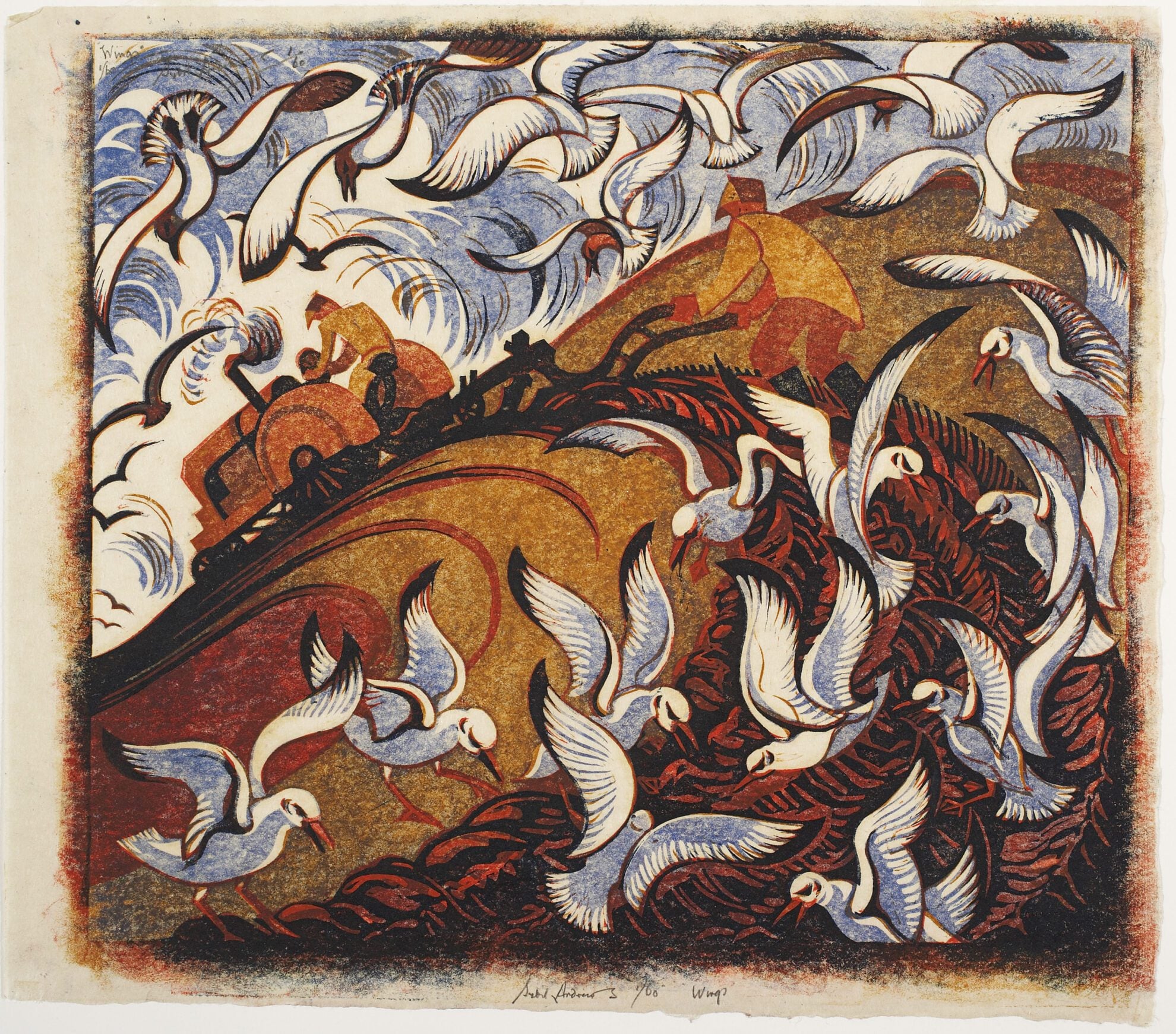
Carl Rungius, Rocky Mountain Goats, 1955, Collection of Glenbow.
Artworks for this Activity
This activity works with almost any artwork or nature in general, these are just a few suggestions. Explore more of the downloadable artworks for your group.