Look Closely
Stop and quietly look at this artwork for 30 seconds. Do not look at the title or artist of this artwork until the end.
- What do you notice?
- Once the timer has reached the 30 second mark, ask the students to turn around and face away from the work of art (in the classroom, turn off projector, or remove the poster).
Learn More
Studies show that the average person will look at an artwork for eight seconds before moving on. Is eight seconds enough time to gather all the information the artwork is giving? This is where slow looking comes in. Slow looking is a practice involving the study of something with intention and attention. You can practice slow looking anywhere; it doesn’t have to be with an artwork or in museum.
Using multiple senses, connecting new information to old and using visualizations are a great way to practice and improve memory recall.
Activity:
Materials: paper, pencil, markers, large piece of paper (like chart paper)
- Without looking back at the work of art, use your memory to share what you observed. These questions may help:
- What kind of setting is depicted?
- What are your first impressions?
- How many (objects, people, etc.) are in the work of art?
- How would you describe them?
- What is the subject of the work of art?
- Chart all the words that you all come up with to create a word bank.
- Look again at the artwork, using your viewfinder to help focus on any parts of the artwork that make you curious. Think about the following questions:
- Are there any shapes or colours that stand out?
- Imagine you are inside the artwork. What can you hear and smell?
- How do your eyes move around the artwork, is there any place that they stop?
- What is the story behind this artwork?
- Referring to your word bank, are there any things on the list that are not actually in the work of art? Sometimes we believe we saw something when we didn’t; or sometimes we might recall different colors than those actually used in the work of art.
- Does this have to do with what the artwork is trying to convey?
- What do you think this artwork is trying to tell us?
- Share the title, artist, medium and size of this artwork. Does this change how you see this piece?
- Consider the amount of time spent looking at the artwork the second time, did this alter how you saw the piece?
- What would you do differently the next time you look at an artwork?
- Was discussing and comparing observations with other people was helpful in determining the meaning in this work of art?
- Using the word bank created through your observations and fill in the definitions, this can be done individually, in smaller groups or as a class.
Share!
We would love to hear about your observations and recollections! You can share your results with us at Glenbow: schoolprograms@glenbow.org.
Additional Questions & Thought Starters
- What emotions or sensations do you feel as you observe this artwork?
- What is the function of art in our lives?
- Does the title of an artwork always tell the full story?
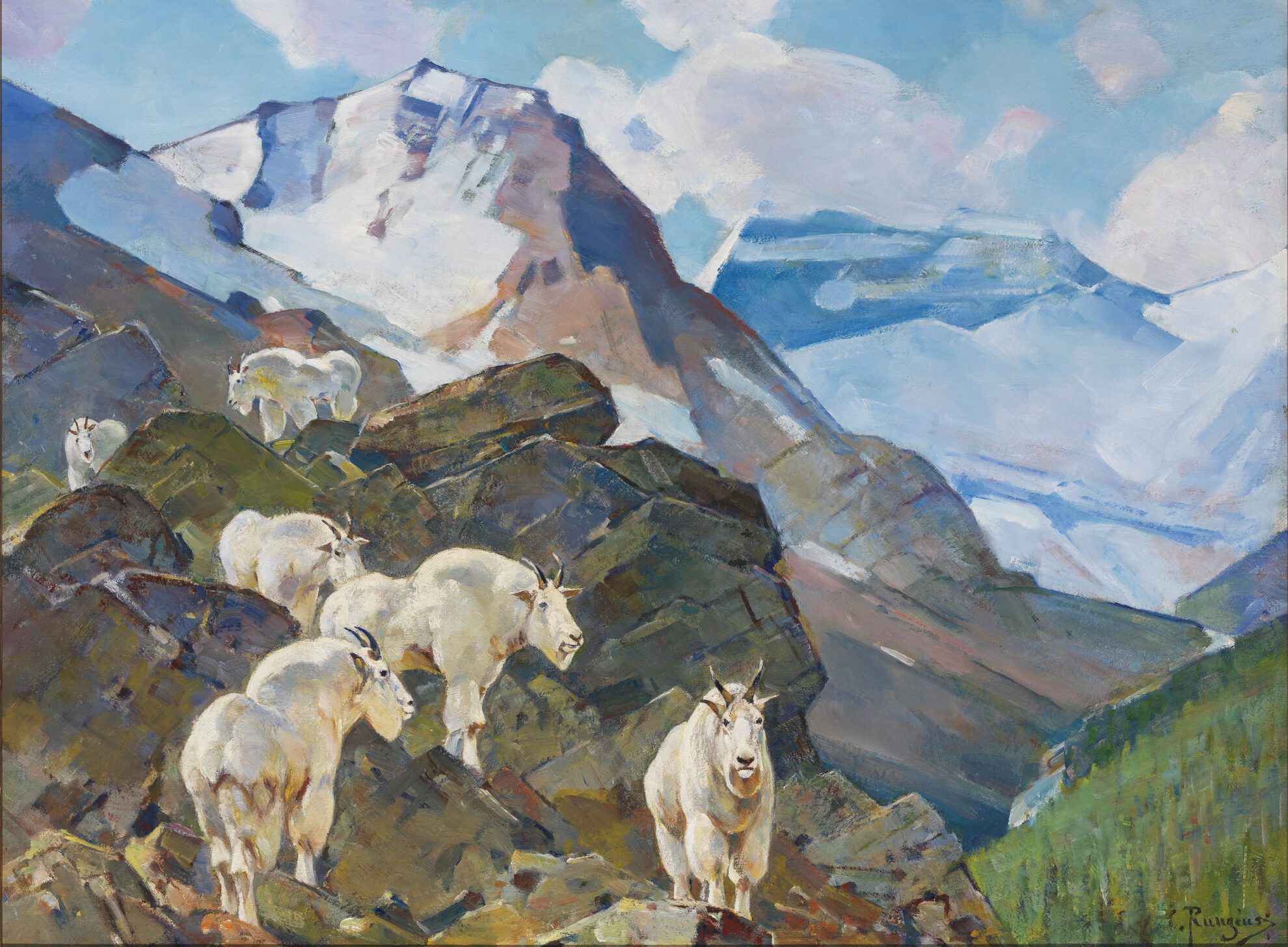
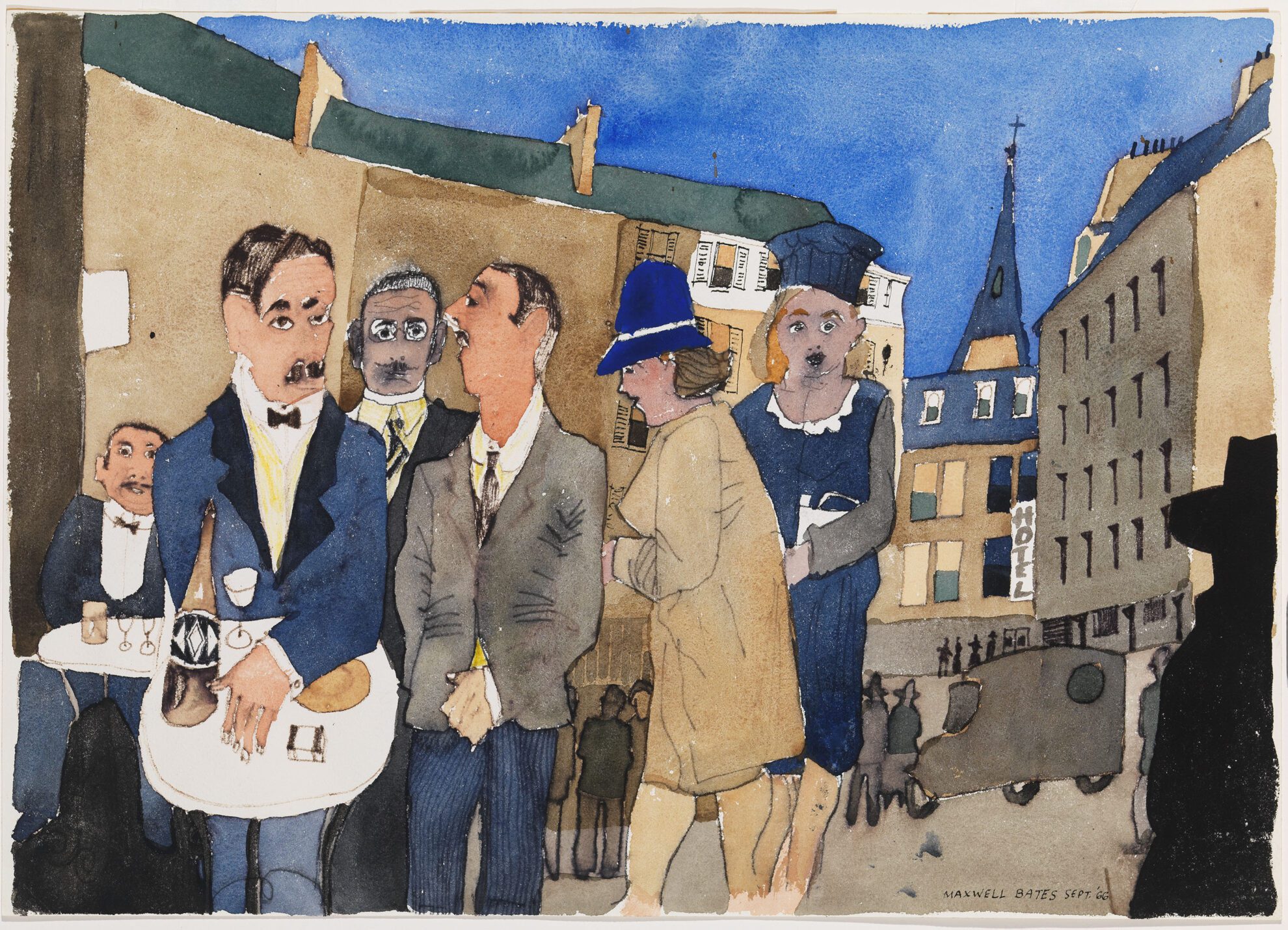
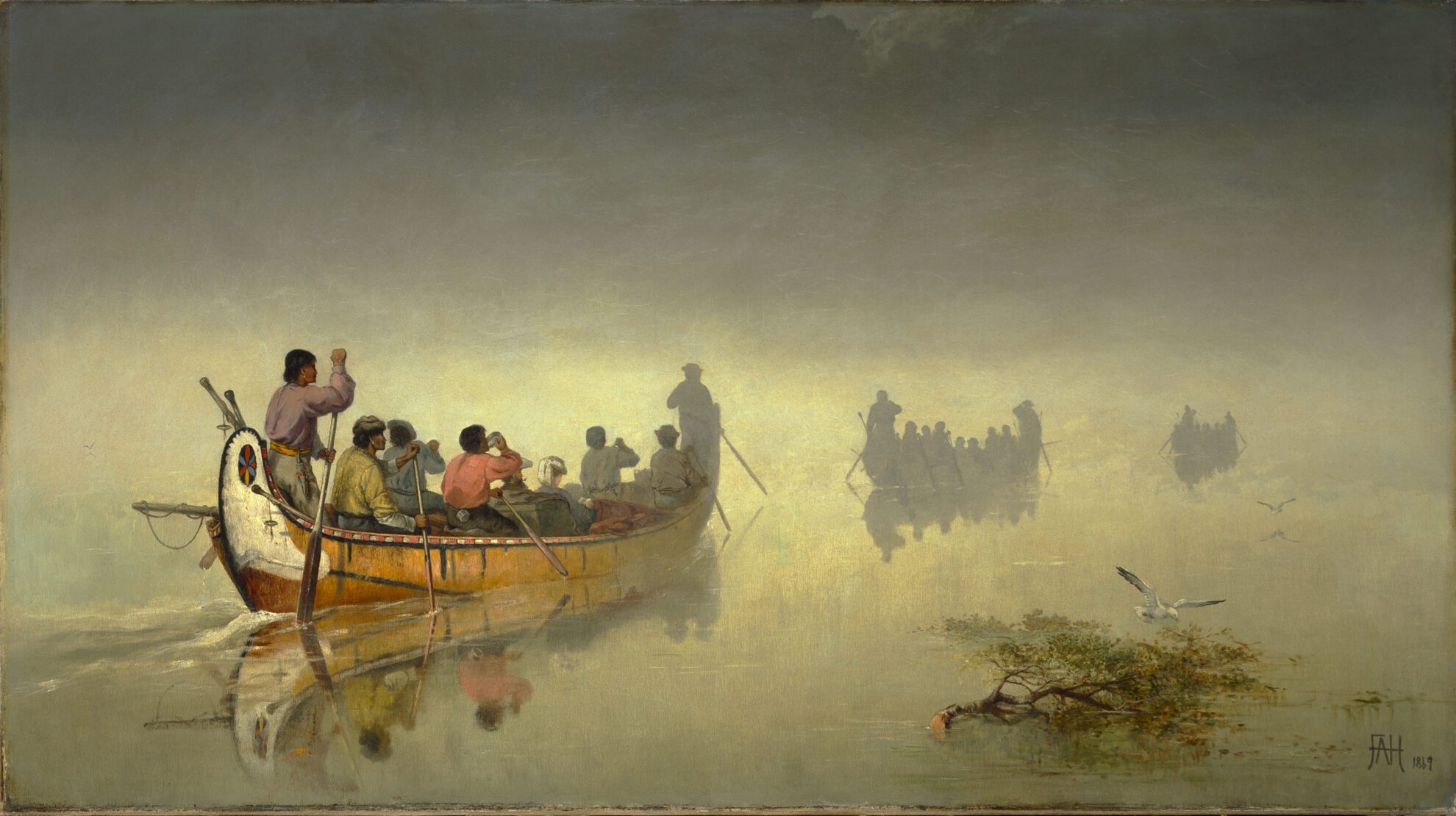
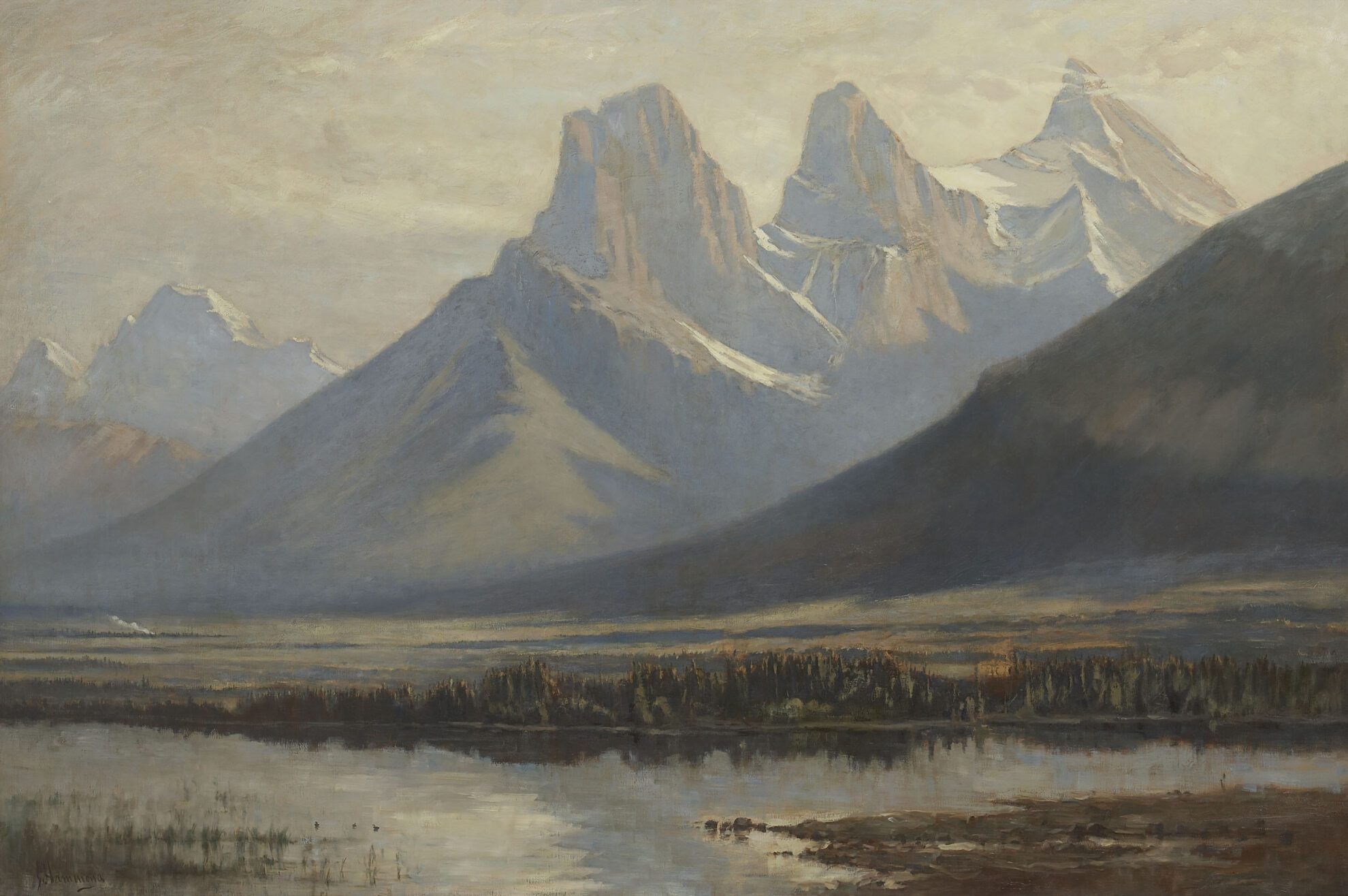
Carl Rungius, Rocky Mountain Goats, 1955, Collection of Glenbow.
Artworks for this Activity
These artworks are best for this activity. As with all the activities, you can select any of the artworks.