Possible further curricular outcomes, artwork dependent: Science, Social Studies, Physical Education & Wellness
Look closely
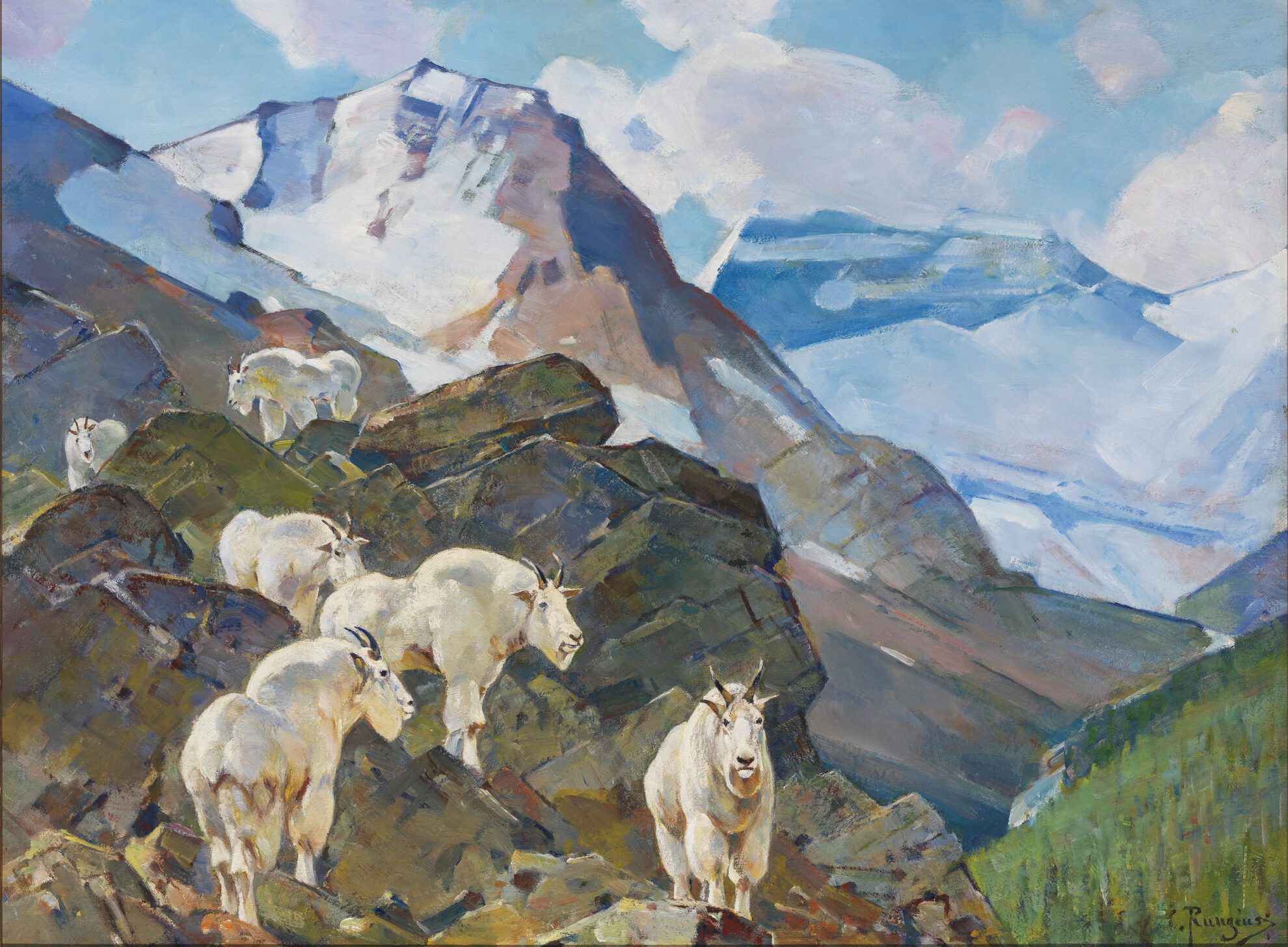
Stop and quietly look at this artwork for at least one full minute.
- What do you notice?
- Use your view finder to help focus on any parts of the artwork that make you curious.
- Imagine you are inside the artwork. What can you hear and smell?
Questions
- What thoughts do you have about the artwork?
- What connections can you make between you and the artwork?
- How might the artwork be connected to bigger stories— about the world and our place in it?
Learn more
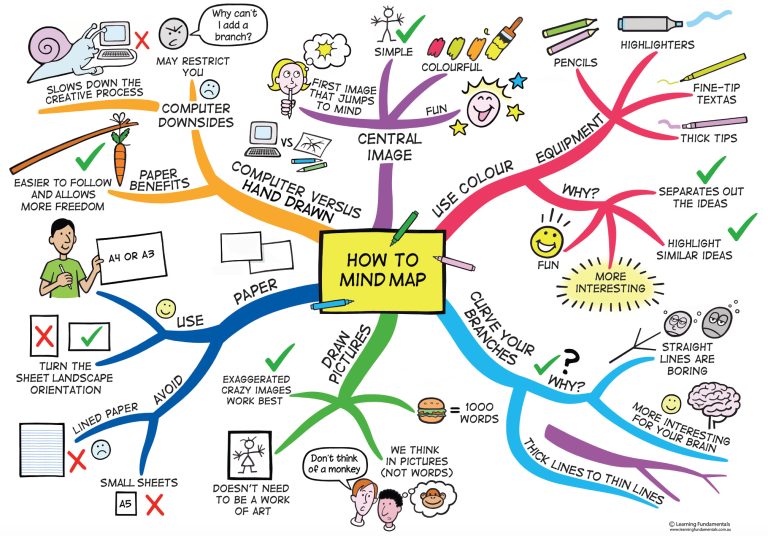
Creating a mind map helps to generate and organize ideas. They also help practice observation skills and that one thing can have many different connections and meanings. This activity can be done individually or in groups.
Activity
Materials: paper, pencil, markers, pencil crayons, large piece of paper (like chart paper)
- Look very closely at the artwork and write down all the things you notice, like subject matter, colour, details, and general interpretation of the story. You can also write down any questions you have.
- Choose something from the artwork to focus on as a central idea; this is the core of your mind map. Draw/write this in the center of the large piece of paper using pencil.
- Using the observations you wrote down earlier, add branches to represent different ideas and thoughts related to the central idea. You can use smaller, sub-branches to connect your different ideas and observations.
- Colour-code your different branches and add small drawings and symbols. Try playing with different lettering, making the first letter decorative, or adding other embellishments.
Share!
Show off your beautiful mind maps to each other! You can share your mind maps with us at Glenbow: schoolprograms@glenbow.org.
Additional questions and thought starters
- What emotions or sensations do you feel as you observe this artwork?
- What words would you use to describe what you see or feel?
- What is the function of art in our lives?
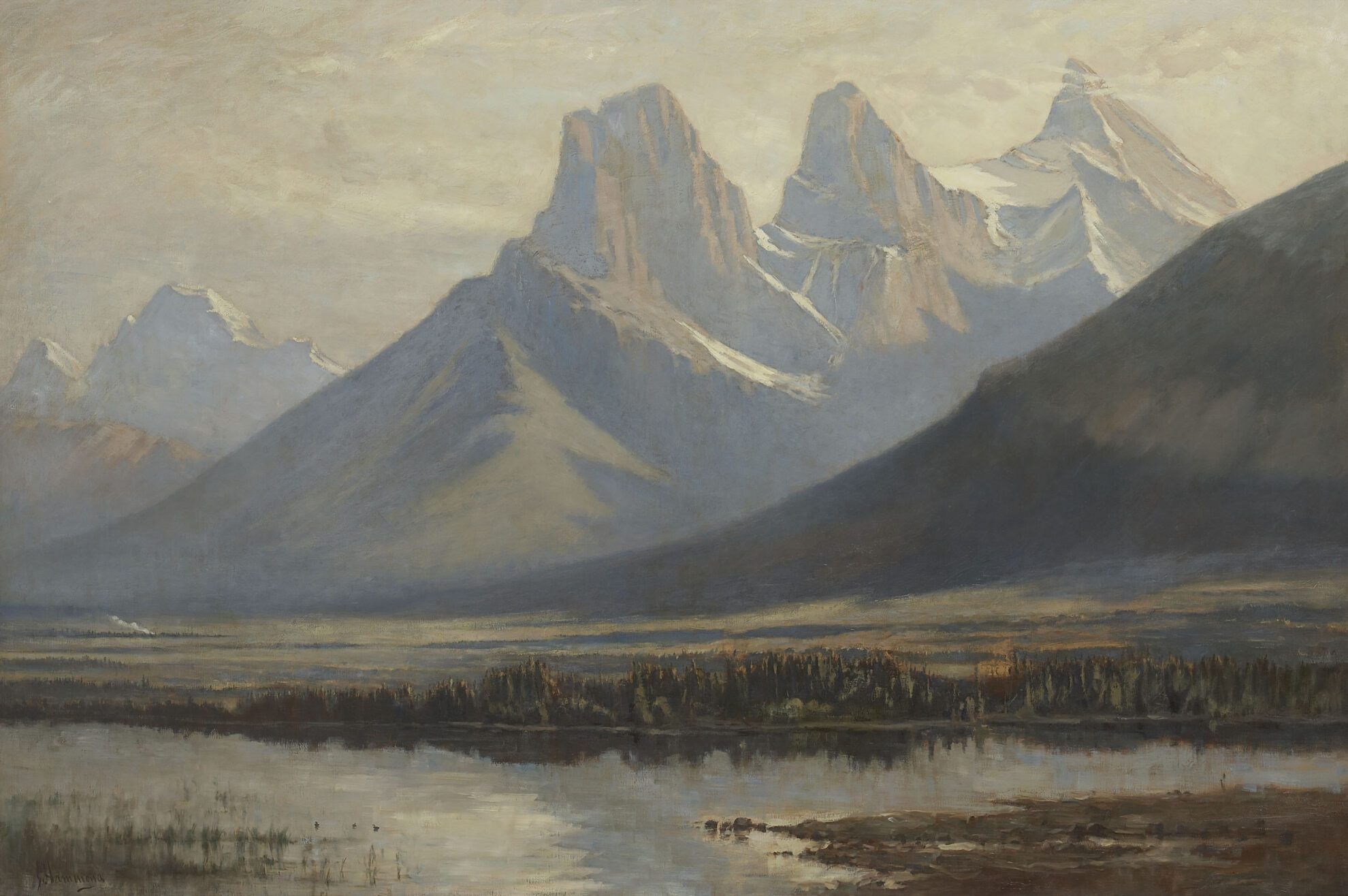
John Hammond, The Three Sisters, 1890, Collection of Glenbow.
Artworks for this Activity
These artworks are best for this activity. As with all the activities, you can select any of the artworks.